There’s a specific kind of panic that hits when multiple drains in your house start backing up at once. Is it just one stubborn clog, or is something much bigger happening underground? Nevada homeowners deal with this confusion constantly, especially given how the region’s soil and aging infrastructure in older Las Vegas neighborhoods can contribute to sewer issues that look deceptively similar to a simple clogged drain. Understanding the difference matters not just for peace of mind, but because sewer line repair cost can run dramatically higher than a routine drain cleaning, so knowing which situation you’re actually facing changes everything about your next move.
Let’s sort through the signs, the causes, and what you can realistically expect to pay.
Clogged Drain vs. Sewer Line Backup: The Real Difference
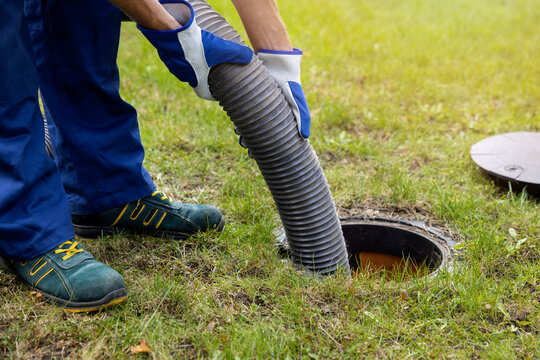
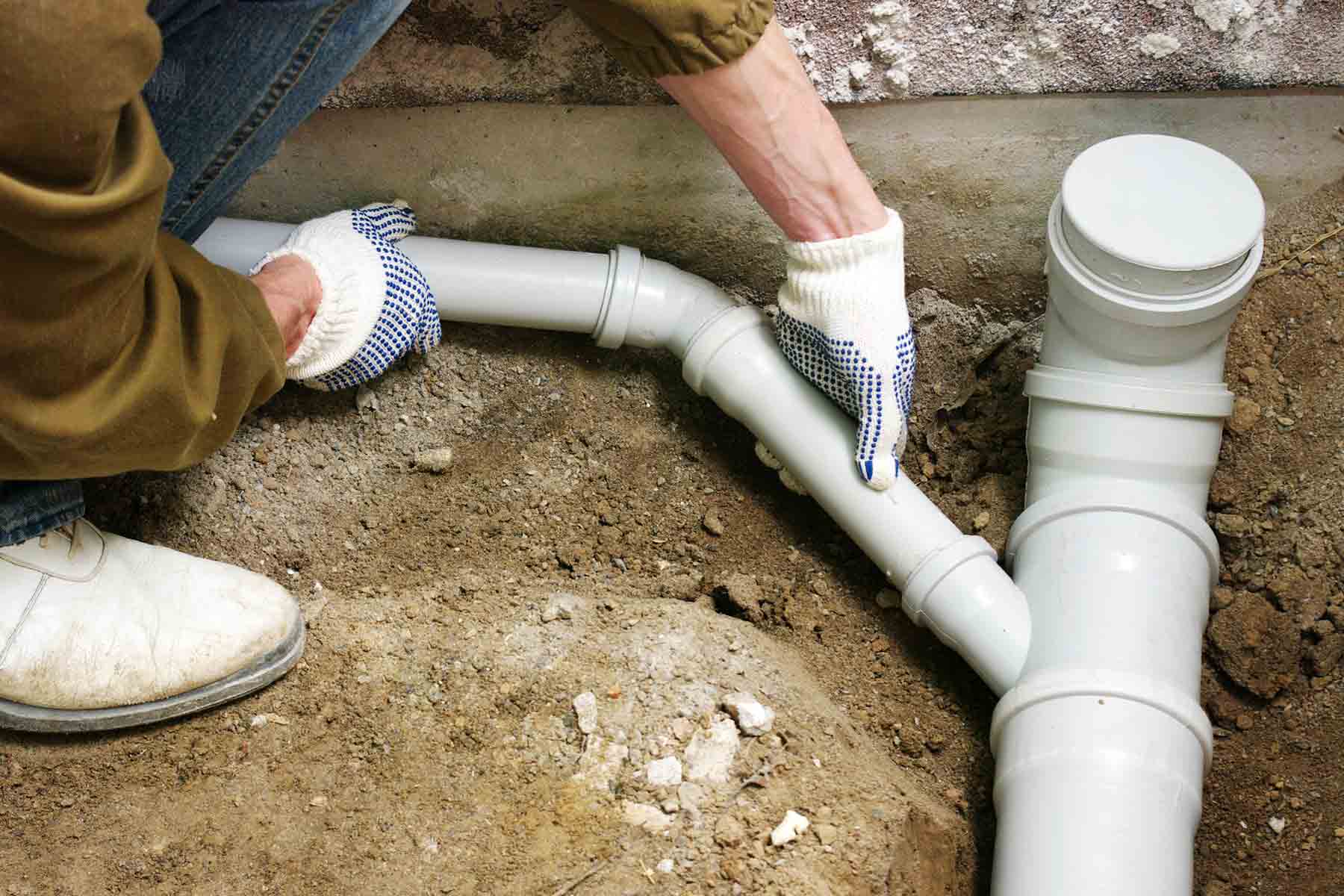
A clogged drain is typically an isolated issue one sink, one shower, or one toilet affected, usually caused by something stuck in that specific pipe. A sewer line backup is a much bigger problem, affecting your main sewer line that connects your entire home’s plumbing to the municipal sewer system or septic tank.
A homeowner in Henderson noticed their kitchen sink draining slowly and assumed it was just food debris buildup. When their bathroom toilet also started backing up around the same time, that was the giveaway a single clogged drain doesn’t usually create problems in unrelated fixtures simultaneously. A call to Denos Plumbing Sewer and Drain Cleaning confirmed it was actually a main sewer line blockage, not a simple drain clog at all.
Signs You Need Drain Cleaning (Not Full Sewer Repair)
Before jumping to worst-case conclusions, it’s worth recognizing when your issue is likely just a standard clog rather than a sewer emergency.
- Slow drainage in a single fixture, without affecting other areas of the home
- Gurgling sounds limited to one drain when water runs elsewhere
- Minor odors coming from a specific sink or shower drain
- A clog that clears temporarily with a plunger, only to return in that same spot
A family in Reno dealt with a consistently slow bathroom sink for weeks, assuming it needed professional attention. It turned out to be a straightforward hair and soap buildup issue, resolved with basic drain cleaning no sewer line involvement at all. Recognizing these signs you need drain cleaning early can save you from unnecessary worry and unnecessary spending on services you don’t actually need.
Sewer Backup Causes: What’s Actually Happening Underground
Understanding common sewer backup causes helps explain why this issue tends to escalate quickly once it starts.
- Tree root intrusion: Roots seeking moisture can infiltrate sewer line joints, growing inside the pipe and eventually causing blockages or structural damage
- Aging or deteriorating pipes: Older Las Vegas neighborhoods sometimes have clay or cast iron sewer lines that degrade over decades, leading to collapses or significant blockages
- Grease and debris buildup: Accumulated grease, wipes, or foreign objects flushed over time can create substantial blockages in the main line
- Ground shifting: Nevada’s soil conditions can occasionally cause pipe misalignment or breaks, particularly in areas with expansive clay soil
A homeowner in Las Vegas dealing with recurring backups eventually learned tree roots from a mature tree in their front yard had infiltrated their sewer line joints over several years. What seemed like random plumbing bad luck was actually a slow, ongoing structural issue that required professional intervention.
Hydro Jetting vs. Snaking: Which Fixes the Problem?
Once you’ve confirmed a sewer line issue, the next question is which cleaning method addresses it. In the hydro jetting vs snaking comparison, both methods clear blockages, but they work quite differently.
Snaking uses a flexible cable with a cutting or corkscrew head to break through and pull out physical clogs. It’s effective for straightforward blockages but doesn’t necessarily clean the full interior surface of the pipe.
Hydro jetting uses high-pressure water to blast through blockages while also scouring the pipe’s interior walls, removing grease buildup, mineral deposits, and smaller root intrusions more thoroughly than snaking typically achieves.
A commercial property in Las Vegas dealing with recurring grease buildup in their sewer line found that snaking provided only temporary relief, since it cleared the immediate blockage without addressing the grease coating the pipe walls. Switching to hydro jetting resolved the recurring issue far more effectively, since it addressed the root cause rather than just the symptom.
Sewer Line Repair Cost: What Nevada Homeowners Actually Pay
This is genuinely where the financial stakes rise significantly. Pricing varies based on damage extent, pipe accessibility, and whether trenchless repair options are viable, so treat these as general ranges rather than fixed quotes.
- Standard drain cleaning: Typically $150 to $400 depending on clog severity and method used
- Hydro jetting service: Generally $300 to $600 for residential properties
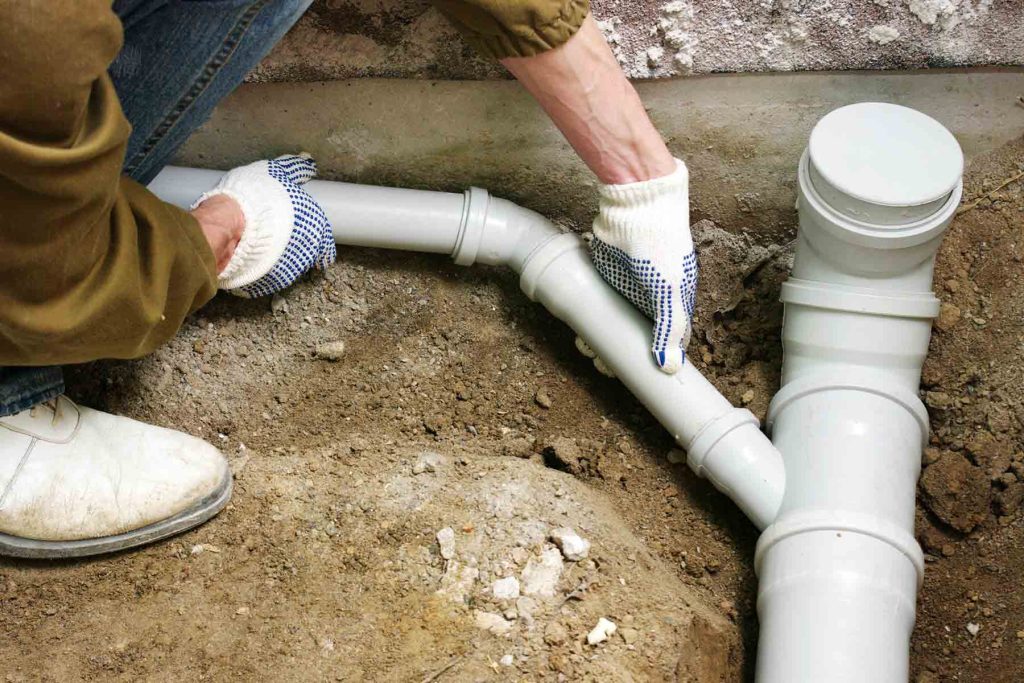
- Sewer line repair Las Vegas homeowners typically face for a localized pipe section repair: roughly $1,500 to $5,000
- Full sewer line replacement: Can range from $4,000 to $15,000 or more, depending on length, depth, and whether trenchless technology can be used versus traditional excavation
A homeowner in Summerlin facing a collapsed sewer line section initially feared a full yard excavation, but a trenchless repair option significantly reduced both cost and disruption compared to traditional digging methods worth asking about directly, since not every situation qualifies for trenchless repair depending on pipe condition and location.
When You Need an Emergency Plumber Nevada Residents Can Actually Reach Quickly
Some situations genuinely can’t wait for a scheduled appointment. If sewage is backing up into your home, multiple fixtures are affected simultaneously, or you’re noticing sewage odors throughout your house, that’s a call for an emergency plumber Nevada homeowners should make immediately rather than waiting.
A family in North Las Vegas experienced a complete sewer backup late on a weekend, with wastewater backing up into their bathtub. Waiting until Monday for a standard appointment wasn’t an option given the health and property risks involved an emergency plumber was necessary to address the situation before it caused more extensive water damage.
How This Connects to Broader Plumbing Concerns
Sewer and drain issues rarely exist entirely in isolation from other plumbing concerns in your home. If your property is dealing with recurring drain issues, it’s often worth having a broader Residential Plumbing inspection done, since underlying issues sometimes affect multiple systems simultaneously.
Similarly, businesses managing Commercial Plumbing systems face their own version of this challenge, often at a larger scale given higher fixture counts and heavier daily usage. A restaurant in Las Vegas dealing with recurring grease-related sewer backups needed a more aggressive hydro jetting maintenance schedule specifically because commercial kitchen operations produce far more grease buildup than typical residential use.
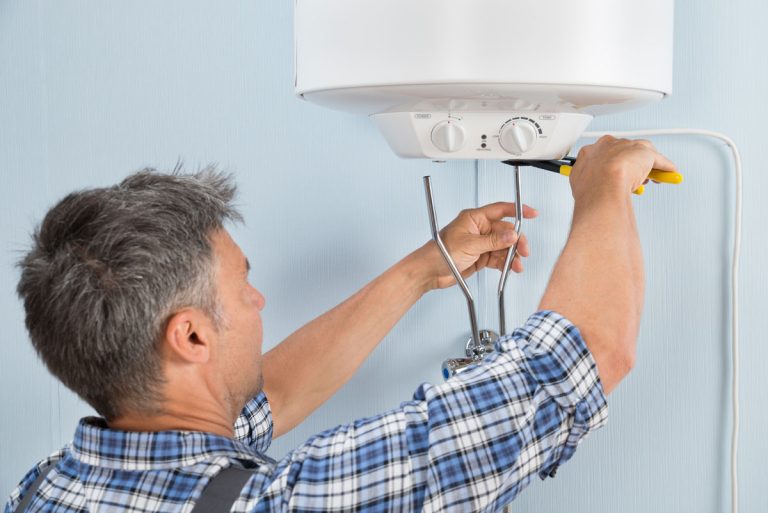
It’s also worth mentioning that water heaters issues sometimes get mistakenly lumped in with sewer or drain problems, since both can cause unusual noises or water-related concerns in a home. A proper diagnostic from a knowledgeable plumber helps clarify whether you’re dealing with a sewer and drain issue specifically, or something entirely separate involving your water heater system.
Preventing Future Sewer Line Issues
A few practical habits genuinely reduce the risk of future backups:
- Avoid flushing wipes, grease, or non-biodegradable materials down drains or toilets
- Schedule periodic hydro jetting maintenance for older homes with known tree root proximity
- Address slow drains promptly rather than waiting for a full backup to develop
- Consider a sewer line camera inspection if you’re purchasing an older home in Las Vegas, since this can reveal existing pipe deterioration before it becomes a costly surprise
A homeowner in Las Vegas who scheduled annual preventive hydro jetting after a previous root intrusion issue reported no recurring backups over the following several years, compared to their previous experience of dealing with blockages roughly every 18 months before starting that maintenance routine.
Making the Right Call for Your Situation
If you’re dealing with a single slow drain, standard drain cleaning is likely sufficient. But if multiple fixtures are affected, you’re noticing recurring backups, or sewage odors are present throughout your home, it’s worth getting a professional sewer line inspection rather than continuing to treat individual symptoms without addressing a potentially larger underlying issue.
Wrapping This Up
Telling the difference between a simple clogged drain and a genuine sewer line backup comes down to paying attention to scope is it one fixture, or several at once? Getting this distinction right early can mean the difference between a modest drain cleaning bill and a significantly more expensive sewer line repair down the road. When in doubt, a professional assessment from an experienced plumber remains the most reliable way to know exactly what you’re dealing with, and what it’ll actually take to fix it properly.
FAQs
1. How can I tell if I have a clogged drain or a sewer line backup?
A clogged drain typically affects only one fixture, while a sewer line backup usually causes multiple drains or toilets to back up simultaneously, often accompanied by gurgling sounds throughout the home.
2. What is the average sewer line repair cost in Las Vegas?
Localized sewer line repairs typically range from $1,500 to $5,000, while full sewer line replacement can cost $4,000 to $15,000 or more depending on pipe length, depth, and repair method.
3. Is hydro jetting better than snaking for sewer line issues?
Hydro jetting generally provides a more thorough cleaning by scouring the pipe’s interior walls, making it more effective for grease buildup and minor root intrusions, while snaking is often sufficient for straightforward physical blockages.
4. What are the most common causes of sewer backups?
Common causes include tree root intrusion, aging or deteriorating pipes, grease and debris buildup, and ground shifting, all of which can create blockages or structural damage over time.
5. When should I call an emergency plumber instead of scheduling a regular appointment?
If sewage is backing up into your home, multiple fixtures are affected at once, or you notice strong sewage odors throughout the house, these situations typically require immediate emergency plumbing service rather than a standard appointment.