Your water heater is one of the most essential appliances in your home, providing hot water for showers, dishes, laundry, and cleaning. Most homeowners don’t think about their water heater until something goes wrong. Understanding the signs that indicate replacement is needed can help you avoid cold showers, water damage, and emergency situations. This comprehensive guide explains when it’s time to replace your water heater and what your options are.
Understanding Your Water Heater’s Lifespan
Traditional tank-style water heaters typically last 8 to 12 years, while tankless models can last 15 to 20 years with proper maintenance. However, several factors influence longevity, including water quality, maintenance frequency, usage patterns, and local climate conditions.
The age of your water heater is often the most telling indicator of replacement need. If your unit is approaching or has passed its expected lifespan, replacement should be on your radar even if it’s still functioning.
Warning Signs Your Water Heater Needs Replacement
1. Age of the Unit
Check the manufacturer’s label on your water heater to determine its age. Most labels display the manufacturing date using a code. The first letters indicate the month, and the numbers indicate the year.
What to do: If your water heater is 8 to 10 years old or older, begin planning for replacement. Even if it’s working now, failure could happen suddenly, leaving you without hot water or causing water damage.
2. Rusty or Discolored Water
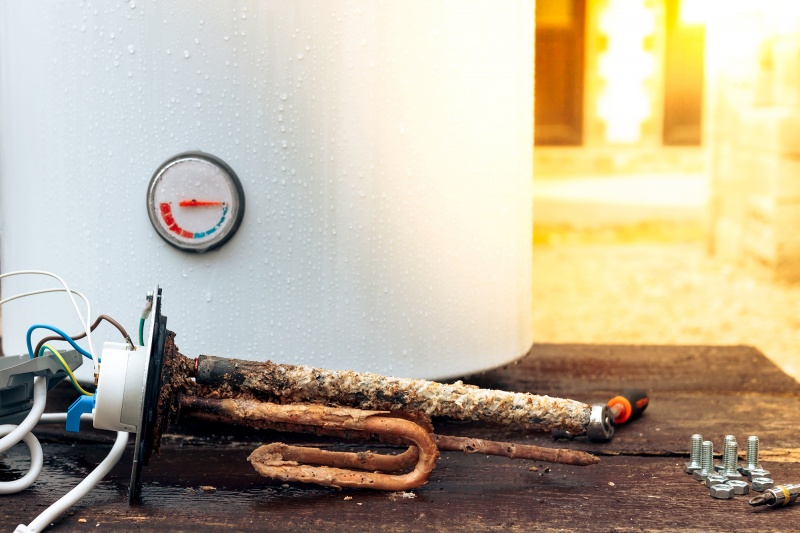
When you turn on hot water and see rusty, orange, or brown water flowing from the tap, this indicates corrosion inside your tank. This discoloration suggests the interior of your water heater is deteriorating.
What this means: Rust indicates the sacrificial anode rod (designed to corrode instead of the tank) has failed. Once the tank itself begins rusting, failure and leaks are imminent.
Next steps: Contact professionals for water heater services to have your system inspected. Replacement is typically necessary at this stage.
3. Strange Noises and Rumbling
Sediment buildup accumulates at the bottom of your tank over time. When heating elements work to warm this sediment-filled water, you’ll hear popping, banging, cracking, or rumbling sounds.
Why it matters: These noises indicate excessive sediment accumulation and potential structural stress on the tank. While flushing can temporarily help, persistent noises usually mean replacement is approaching.
What to try first: Schedule professional water heater maintenance to flush your tank. If noises persist after flushing, replacement is likely needed.
4. Leaking or Pooling Water
Water pooling around your water heater indicates a leak. This could be from a loose connection or, more seriously, from cracks or corrosion in the tank itself.
Why this is urgent: A leaking tank will eventually fail completely. Water damage to your home can be costly and dangerous. A leaking water heater requires prompt attention.
Action required: Call for emergency service immediately. Even small leaks can cause significant water damage over time. Professional inspection will determine if repair or replacement is necessary.
5. Insufficient Hot Water
If you’re running out of hot water faster than you used to, or if your water never gets as hot as it once did, your water heater is failing.
Common causes:
- Sediment buildup reducing tank capacity
- Failing heating elements
- Thermostat malfunction
- Tank deterioration
What to do: First, ensure your thermostat is set correctly (120°F is ideal). If that’s not the issue, have professionals inspect and potentially flush your tank. If problems persist, replacement may be necessary.
6. Pilot Light Issues (Gas Water Heaters)
If the pilot light on your gas water heater frequently goes out or won’t stay lit, this indicates a problem with the thermocouple or gas valve.
What this means: A faulty pilot light system can prevent your water heater from operating. While sometimes repairable, repeated pilot light problems often signal that replacement is more economical than repeated repairs.
Next step: Have a professional diagnose the issue. They can recommend whether repair or replacement makes more sense.
7. Pressure Relief Valve Problems
The temperature and pressure relief (TPR) valve is a safety feature that releases pressure when it builds up excessively.
Warning signs:
- Constant dripping from the relief valve
- Leaking from the valve pipe
- Inability to maintain temperature
What it means: A malfunctioning TPR valve can be dangerous and indicates internal tank problems. This often requires replacement.
8. Taking Longer to Heat Water
If your water heater is taking significantly longer to heat water than it used to, sediment buildup or a failing heating element is likely responsible.
What to do: Start with professional tank flushing to remove sediment. If the problem persists, the heating element may need replacement. If multiple issues are present, replacing the unit is often more cost-effective.
9. Visible Corrosion and Rust on the Tank Exterior
Rust and corrosion on the outside of your tank indicate that the metal is deteriorating from both inside and out.
What this means: Your tank’s structural integrity is compromised. Failure and leaking are likely in the near future.
Action: Replacement is typically necessary when exterior corrosion is visible.
10. Fluctuating Water Temperature
If your hot water temperature fluctuates randomly, ranging from too hot to too cold, your thermostat or heating elements are failing.
Why it matters: Temperature fluctuations indicate your water heater cannot maintain consistent performance. This is often a precursor to complete failure.
Repair vs. Replacement Decision Matrix
Repair Your Water Heater If:
- The unit is less than 8 years old
- The repair cost is less than 50% of replacement cost
- It’s a single, isolated issue (not multiple problems)
- The unit has been well-maintained
- You’re willing to have it serviced regularly moving forward
Common affordable repairs:
- Thermostat replacement: $150-$300
- Heating element replacement: $200-$400
- Anode rod replacement: $100-$200
- Tank flushing: $100-$150
Replace Your Water Heater If:
- The unit is 8 years old or older
- Repair costs exceed 50% of replacement cost
- Multiple issues are present simultaneously
- The tank is leaking
- You see rust in the water or on the tank
- It’s no longer meeting your household’s hot water needs
- You want improved energy efficiency
Water Heater Replacement Options
Traditional Tank Water Heaters
Pros:
- Most affordable upfront cost
- Familiar technology
- Wide availability
- Simple installation and maintenance
Cons:
- Shorter lifespan (8-12 years)
- Continuous energy use even when not heating
- Takes up significant space
- Limited hot water supply
Best for: Budget-conscious homeowners, standard household needs
Tankless Water Heaters
Pros:
- Longer lifespan (15-20 years)
- Energy efficient (saves 24-34% on water heating)
- Provides unlimited hot water on demand
- Compact size
- Lower operating costs
Cons:
- Higher upfront cost
- May require upgrades to gas or electrical systems
- Takes time to deliver hot water from tap
- Installation more complex
Best for: Homeowners prioritizing energy efficiency and long-term savings
Heat Pump Water Heaters
Pros:
- Most energy efficient option
- Lower operating costs
- Longer lifespan potential
- Qualifies for tax credits in some areas
Cons:
- Higher initial cost
- Requires adequate space and ventilation
- Slower heating in cold climates
- More complex installation
Best for: Energy-conscious homeowners in moderate climates
Solar Water Heaters
Pros:
- Minimal operating costs
- Environmentally friendly
- Long lifespan
- May qualify for rebates and tax credits
Cons:
- Very high upfront cost
- Requires sunny climate and roof space
- Backup system needed for cloudy days
- Requires professional installation
Best for: Environmentally conscious homeowners in sunny regions with available incentives
Cost Considerations
Tank Water Heater Replacement: $800-$1,500 installed
Tankless Water Heater Replacement: $1,500-$3,000 installed
Heat Pump Water Heater Replacement: $2,000-$3,500 installed
Solar Water Heater Replacement: $3,000-$6,000+ installed
While tankless and alternative systems have higher upfront costs, energy savings over their longer lifespan often make them more economical than repeated replacements of traditional tanks.
Emergency Replacement Situations
Certain circumstances require immediate water heater replacement:
Sudden Complete Failure: No hot water at all and the unit is beyond repair
Significant Leaking: Water damage risk is imminent
Safety Concerns: Gas leak smell, carbon monoxide indicators, or malfunctioning safety valves
Multiple System Failures: The cost of addressing all issues exceeds replacement cost
In these situations, don’t wait for professional water heater services. Emergency replacement protects your home and family.
Maintenance to Extend Water Heater Life
While replacement is inevitable, proper maintenance can extend your unit’s lifespan and delay costly replacement:
- Flush your tank annually to remove sediment buildup
- Inspect the anode rod yearly and replace if heavily corroded
- Maintain proper temperature settings (120°F is ideal)
- Check the TPR valve periodically
- Insulate pipes to reduce heat loss
- Address leaks and repairs promptly
- Schedule regular professional inspections
Regular water heater maintenance can add years to your unit’s life and improve efficiency.
Water Heater Services in Your Area
Whether you need r
epairs, maintenance, or replacement, professional expertise ensures you get the right solution for your needs. Residents and businesses in Carson City, Reno, Sparks, Lake Tahoe, and Truckee can rely on experienced plumbers to handle all water heater issues.
If you have a residential plumbing need or operate a business requiring commercial plumbing services, our team can help assess your water heater and recommend the best course of action.
Making Your Decision
Replacing a water heater is a significant investment, but delaying replacement when needed leads to emergency situations, water damage, and higher costs. By recognizing the warning signs outlined in this guide, you can plan ahead and choose a replacement that best fits your needs and budget.
If you’re unsure whether your water heater needs replacement, have a professional inspect it. They can assess the unit’s condition, remaining lifespan, and recommend whether repair or replacement is most cost-effective. Don’t wait for a complete failure to leave you without hot water—plan ahead and make an informed decision about your water heater replacement.
Consider calling for a professional evaluation today if you’re experiencing any of the warning signs mentioned in this guide. A small inspection now can save you from a major emergency later.